Table Of Content
It typically occurs after age 65 but, for some females, it can begin early in their lives. Many people think that hair loss only affects people assigned male at birth (AMAB). However, studies show that more than 50% of people assigned female at birth will experience noticeable hair loss. The most significant cause of hair loss in women is female-pattern hair loss (FPHL). This affects about 30 million people in the United States. Some people may experience excessive hair loss shortly after giving birth.
What’s The Most Common Cause Of Female Hair Loss?
“Some patients have reported that before the bald spot occurred, they felt something in that area—a tingling or an irritation,” Dr. Fusco says. Another red flag is a widening part, and the hair loss may be diffused, meaning it’s spread across the entire scalp. Your derm can examine the pattern of hair loss and perform blood work to rule out other causes, says Dr. Jakubowicz. However, this can change during menopause (more on that later) and some women with strong family histories of hair thinning or balding may still experience this. The right hair loss treatment for you will depend on what’s causing your hair loss. The best way to pick a great treatment plan is to talk with your doctor about your hair loss concerns.
What Causes Hair Loss and Itchy Scalp?
Women with hair loss due to alopecia areata may consider treatment with corticosteroids applied to the scalp or injected into multiple sites in the affected area. People with alopecia areata may also benefit from immunosuppressive medications like methotrexate. Not all researchers agree that spironolactone works, and the FDA has not endorsed it as a treatment for androgenic alopecia.
Use over-the-counter hair loss medication
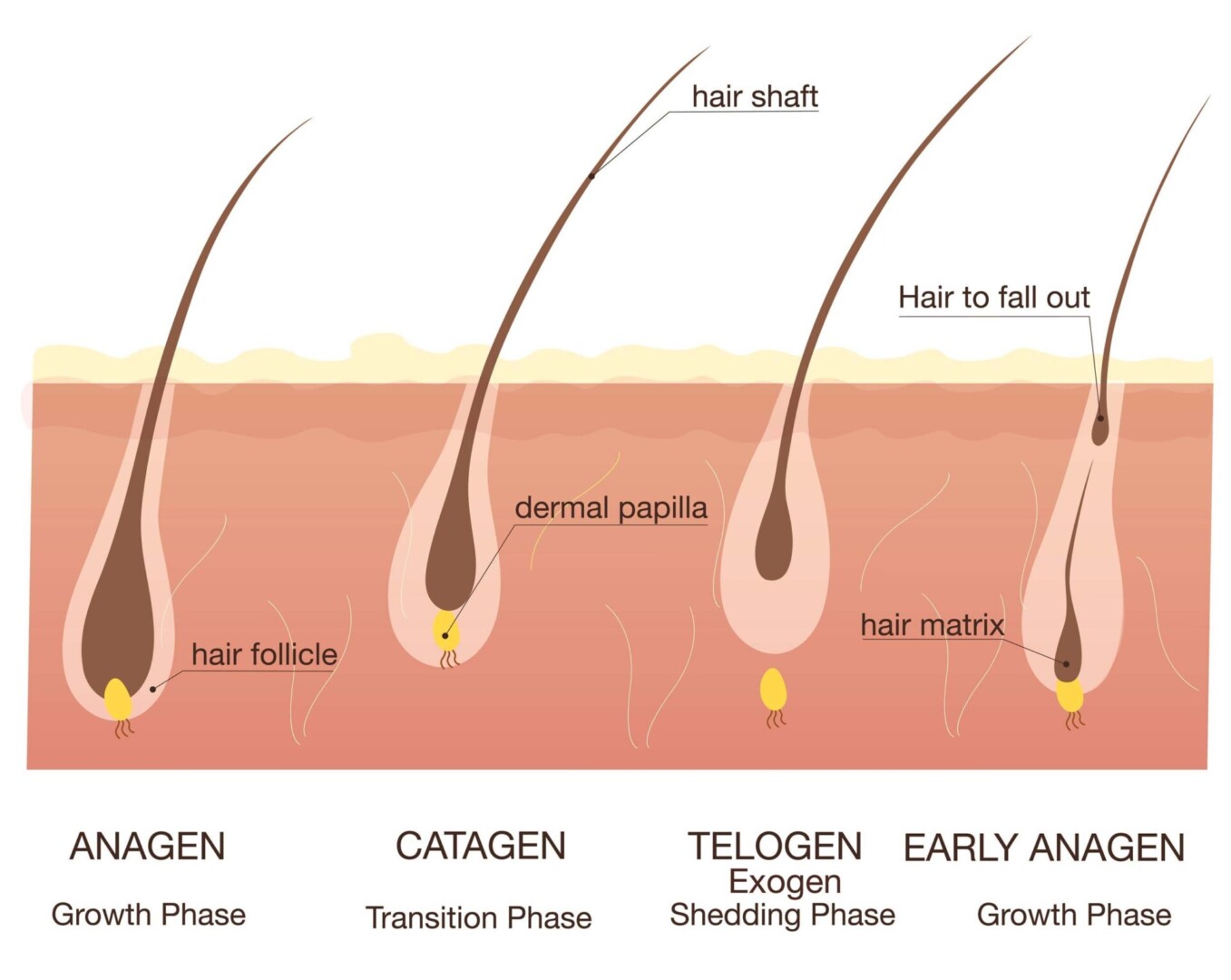
Losing clumps of hair can be particularly distressing. But there will always be an underlying reason, whether it’s a health condition, stress levels, or family genetics. Essentially, this means there’s temporary hair loss where more hairs enter the telogen phase than what’s typical. Men tend to notice a receding hairline and patches of hair loss on the top of the head. There are things you can try if your hair loss is causing you distress. But most treatments are not available on the NHS, so you'll have to pay for them.
How will a healthcare provider diagnose hair loss in women?

With this type of hair loss, your follicles gradually shrink and the growth cycle is shortened. After a while, some follicles may stop producing hair. If your hair starts to thin or fall out in clumps, call your healthcare provider or dermatologist.
If you like the idea of adding supplements to your routine, there are some which are specifically formulated to contain ingredients that increase hair thickness and health. PCOS can cause facial hair growth, irregular periods, acne, and cysts on the ovaries. And while you may experience hair loss on your scalp, you may notice more hair elsewhere on the body, Dr. Fusco says. A doctor can take a blood test to look for elevated levels of testosterone and DHEAS (dehydroepiandrosterone), a product of testosterone. Alopecia is an autoimmune skin disease where the body’s immune system attacks hair follicles.
What are common types of hair loss?
Hair loss during pregnancy is not common, but it is possible. During pregnancy, people are more likely to have conditions that cause hair loss, like hyperthyroidism, hypothyroidism, and iron-deficiency anemia. Treating these conditions can help hair thickness return. In males, hair starts thinning near the top of the head and forms a receding hairline (creating an "M" shape). In females, the hair becomes thin all over without a receding hairline.
10 Hairstyles That Disguise Hair Loss and Thinning - InStyle
10 Hairstyles That Disguise Hair Loss and Thinning.
Posted: Thu, 25 Apr 2024 13:44:00 GMT [source]
Hairstyles like cornrows, braids, or tight ponytails can cause it. Some signs of traction alopecia include hair loss in patches where the hair was pulled and shorter strands of hair near the forehead. Anyone can have androgenetic alopecia (pattern baldness). These hair changes can make it hard to maintain how you want to look, especially if you're transgender or nonbinary (which means you don't identify as fully male or female). You may want to shift where hair grows (or doesn't) to reflect your affirmed gender. Things that interfere with the growth cycle -- like medications, illnesses, infections, or chemicals -- have the potential to stop hair from being formed the right way.
But some factors may make a woman more likely to experience hair loss. Yes, treating the thyroid disease can reverse the hair loss. For your hair to regrow, you have to stop pulling it. When a man has hereditary hair loss, the first sign is often a receding hairline or bald spot at the top of his head. A dermatologist is a medical doctor who specializes in treating the skin, hair, and nails.
Your doctor might be able to recommend a non-hormonal option that may help you keep more of your locks. You’re more likely to deal with this post-surgery symptom if your zinc levels are low, but it’s common to lose some locks after bariatric surgery. Your doctor may recommend a zinc and copper supplement to help halt your hair loss. You’ll likely have other clues that low iron is to blame for your hair loss, like brittle nails, yellow or pale skin, shortness of breath, weakness, and a fast heartbeat. When you’re pregnant, your hormones keep your hair from falling out as often as it normally does. After you give birth, you lose the extra hair you’ve been hanging onto as your hormones shift again.
Alopecia areata is an autoimmune condition that causes your immune system to attack hair follicles, resulting in bald patches that can range from small to large. Hair loss related to androgenic alopecia tends to happen gradually. While some people might experience hair loss as early as puberty, others might not notice symptoms until their middle ages.
It’s important to talk to your healthcare provider before starting any form of treatment for hair loss. Some types of treatment aren’t safe to use if you’re pregnant, planning on becoming pregnant or going through menopause. These changes happen due to varying levels of hormones during menopause. Other forms of birth control that affect the hormones, such as implants and skin patches, may also cause hair loss. People may experience hair loss while using birth control pills. Others might experience hair loss several weeks or months after they stop taking birth control pills.